

Tree-Sitter Parsing Tools.
tsitter


Common tree-sitter parsing tools for R.
tsitter is a common interface to tree-sitter parsers, implemented in other R packages. It has a common API to
- query,
- edit,
- format, and
- unserialize
tree-sitter parse trees.
Installation
Install tsitter from CRAN:
install.packages("tsitter")
Documentation
See at https://r-lib.github.io/tsitter/ and also in the installed package: help(package = "tsitter").
Parsers that use tsitter
Quickstart
In this document I show examples with the tsjsonc package.
Create a tree-sitter tree
Create a ts_tree (ts_tree_jsonc) object from a string:
txt <- r"(
// this is a comment
{
  "a": {
    "a1": [1, 2, 3],
    // comment
    "a2": "string"
  },
  "b": [
    {
      "b11": true,
      "b12": false
    },
    {
      "b21": false,
      "b22": false
    }
  ]
}
)"

json <- tsjsonc::ts_parse_jsonc(txt)
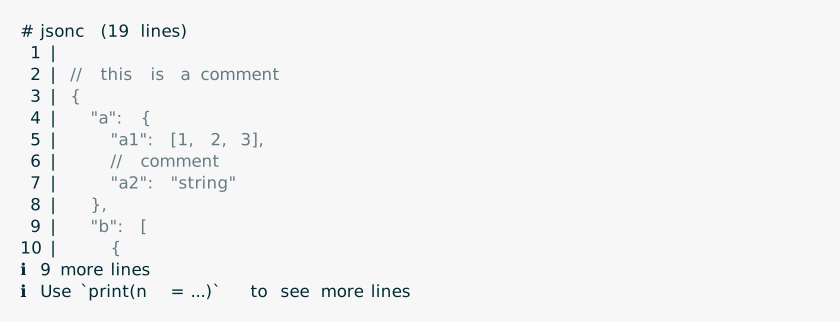
Pretty print a ts_tree object:
json
Select nodes of a tree
Selecting nodes is the basis of editing and querying tree-sitter trees.
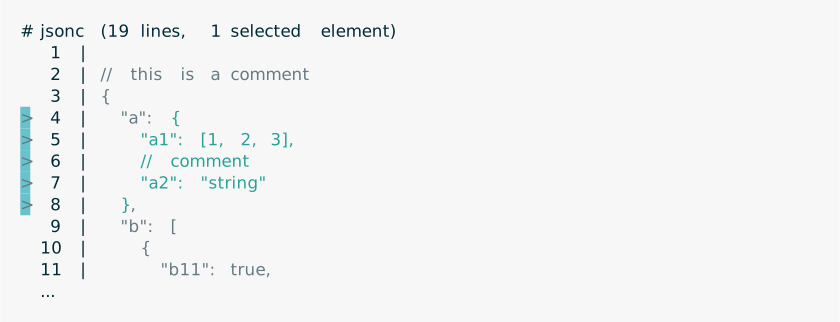
Select element by objects key:
ts_tree_select(json, "a")
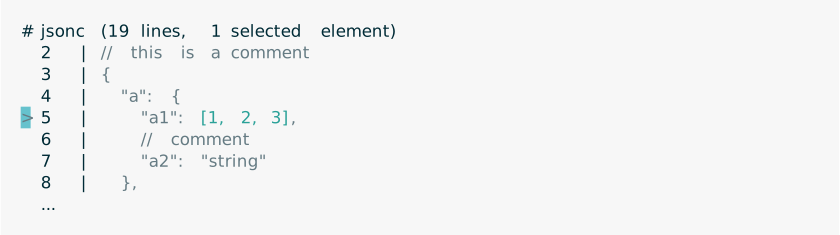
Select element inside element:
ts_tree_select(json, "a", "a1")
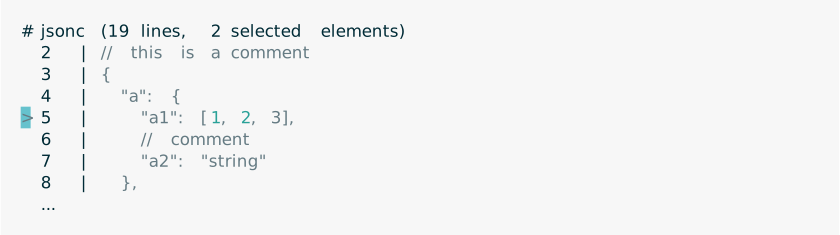
Select element(s) of an array:
ts_tree_select(json, "a", "a1", 1:2)
Select multiple keys from an object:
ts_tree_select(json, "a", c("a1", "a2"))
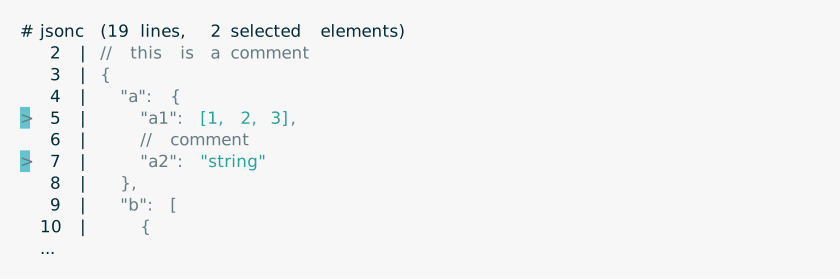
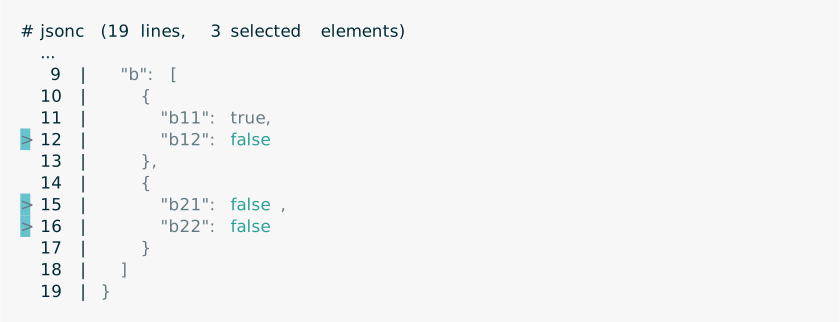
Select nodes that match a tree-sitter query:
json |> ts_tree_select(query = "((pair value: (false) @val))")
Delete elements
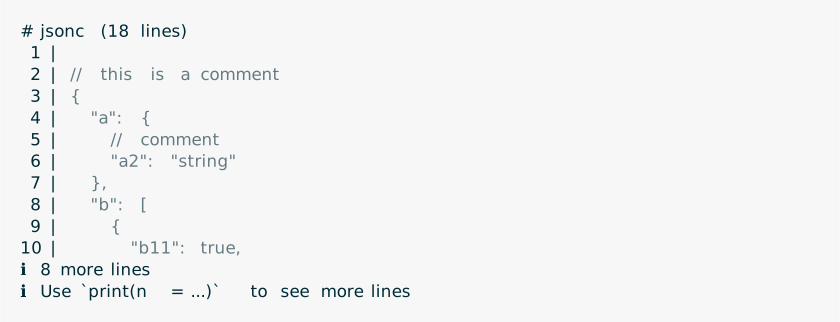
Delete selected elements:
ts_tree_select(json, "a", "a1") |> ts_tree_delete()
Insert elements
Insert element into an array:
ts_tree_select(json, "a", "a1") |> ts_tree_insert(at = 2, "new")
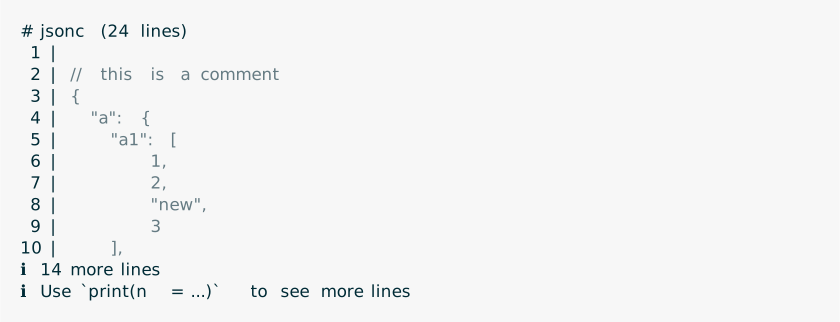
Inserting into an array reformats the array.
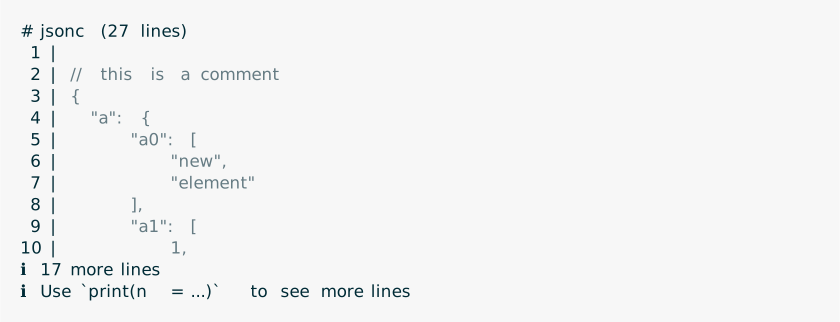
Insert element into an object, at the specified key:
ts_tree_select(json, "a") |>
  ts_tree_insert(key = "a0", at = 0, list("new", "element"))
Update elements
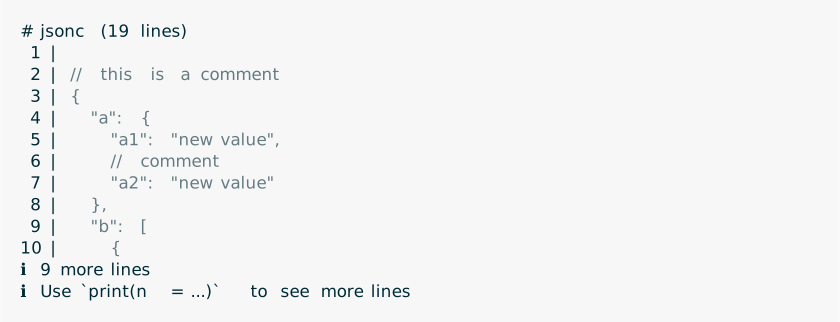
Update existing element:
ts_tree_select(json, "a", c("a1", "a2")) |> ts_tree_update("new value")
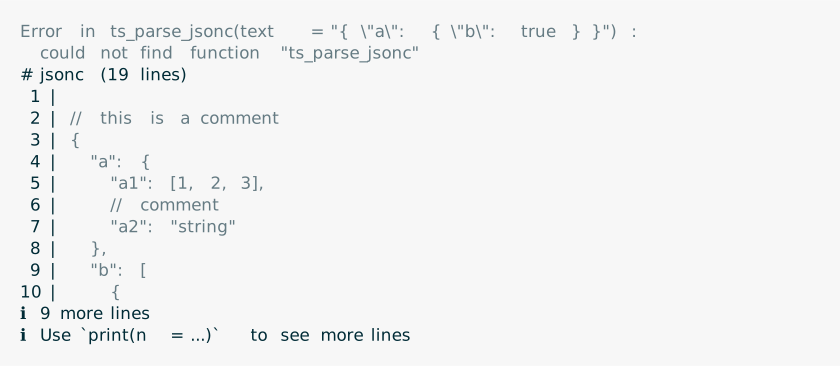
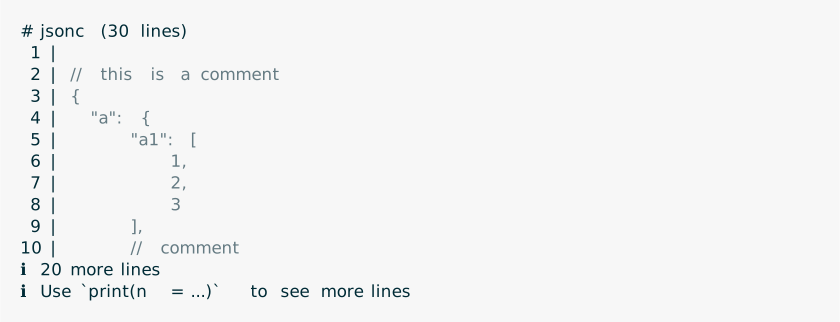
Inserts the element if some parents are missing:
json <- ts_parse_jsonc(text = "{ \"a\": { \"b\": true } }")
json
ts_tree_select(json, "a", "x", "y") |> ts_tree_update(list(1,2,3))
Write out a document
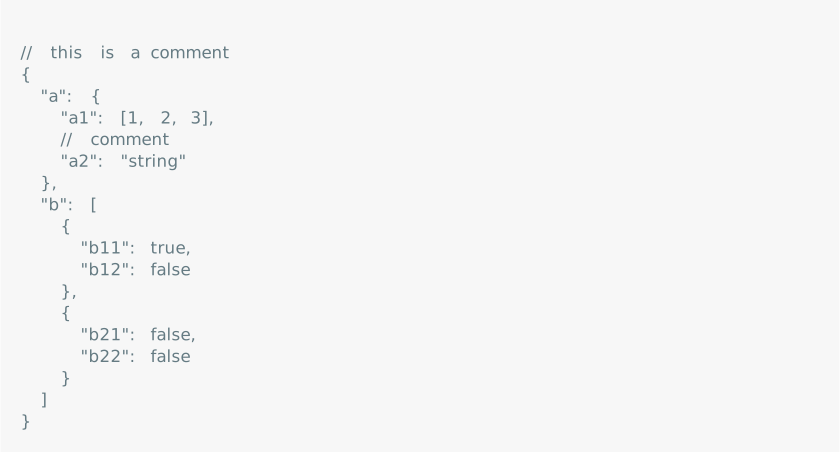
Use stdout() to write it to the screen instread of a file:
json |> ts_tree_write(stdout())
Formatting
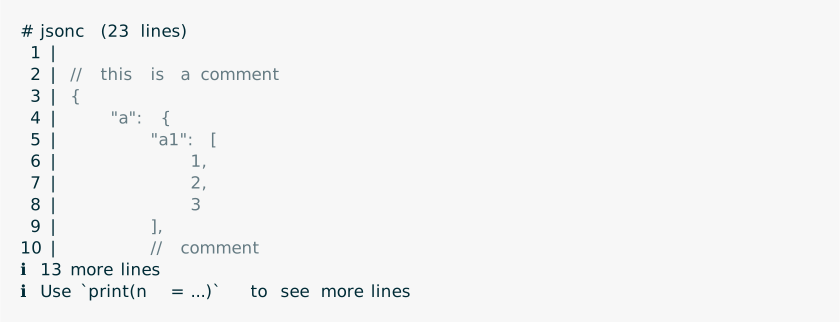
Format the whole document:
json |> ts_tree_format()
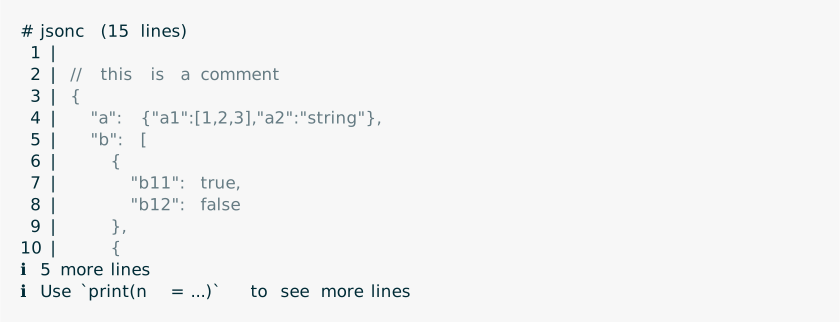
Format part of the document:
json |> ts_tree_select("a") |>
  ts_tree_format(options = list(format = "compact"))
Unserializing
Unserialize a whole document:
json |> ts_tree_unserialize()
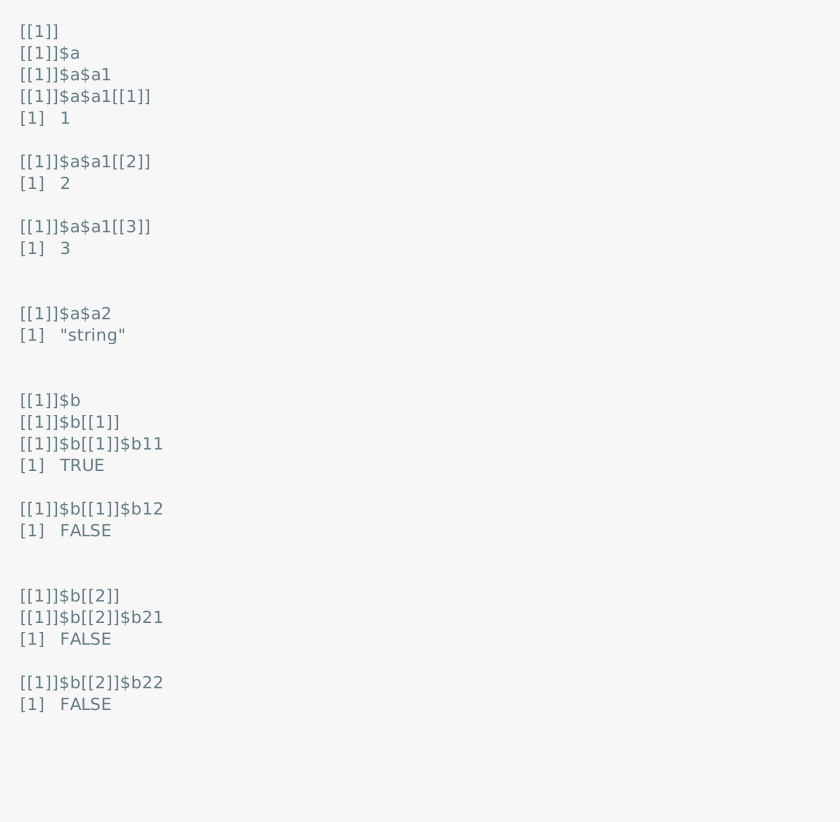
Note that ts_tree_unserialize() always returns a list, the first element of the list is the unserialized document.
Unserialize part(s) of the document:
json |> ts_tree_select("b") |> ts_tree_unserialize()
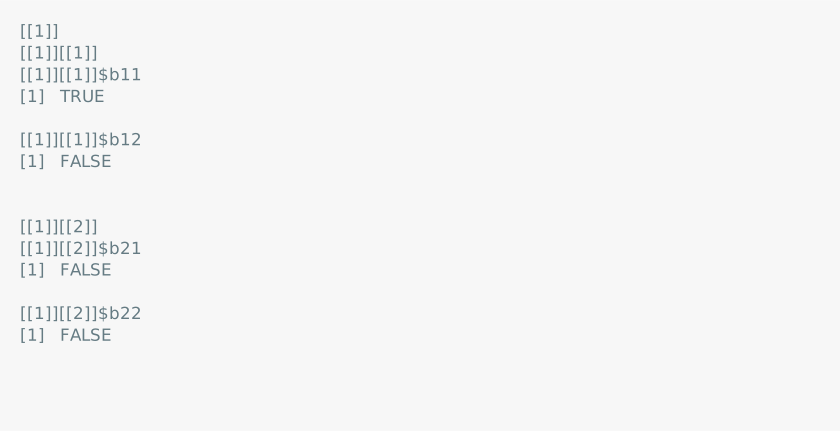
Again, ts_tree_unserialize() returns a list, with one element for each selected node.
Exploring a tree-sitter tree
It is often useful to explore the structure of a (JSONC) tree-sitter tree, to help writing the right selection or tree-sitter queries.
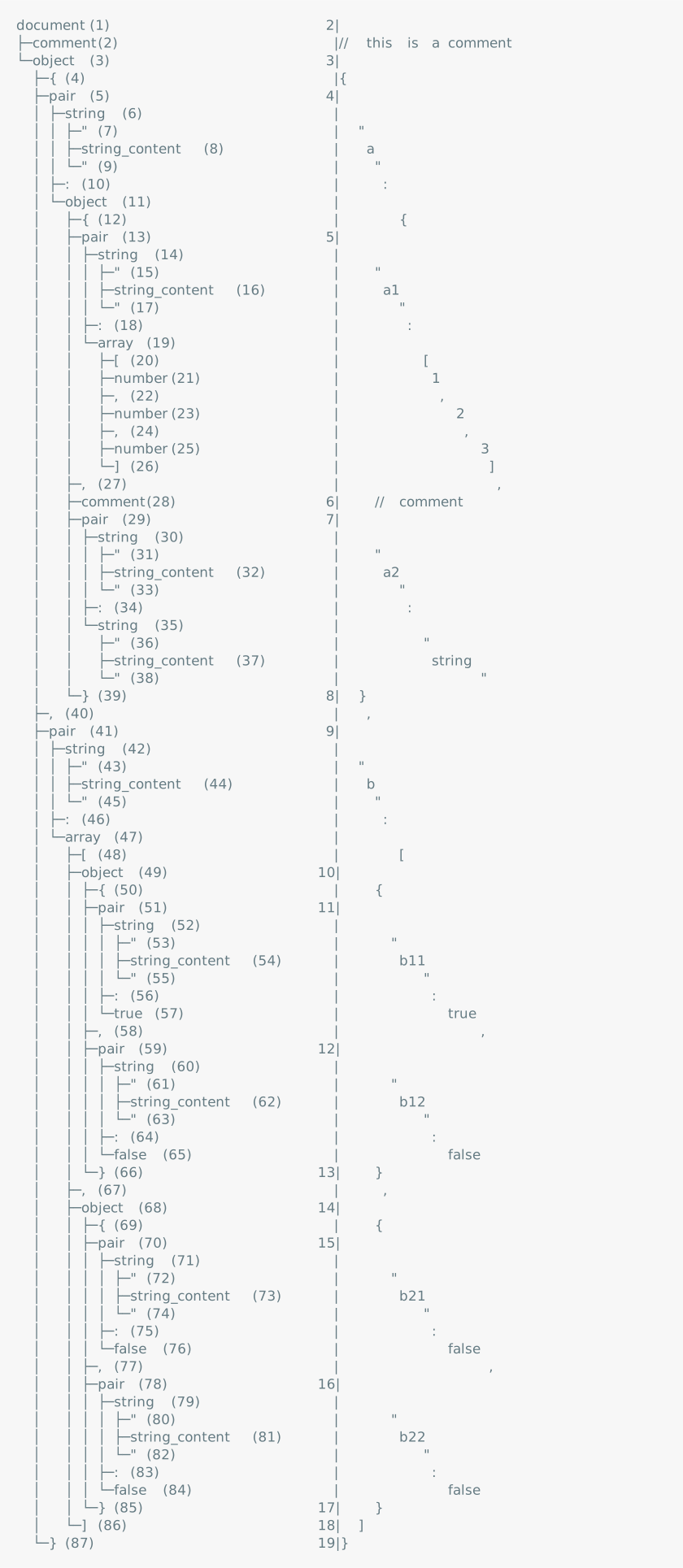
Print the annotated syntax tree:
ts_tree_ast(json)
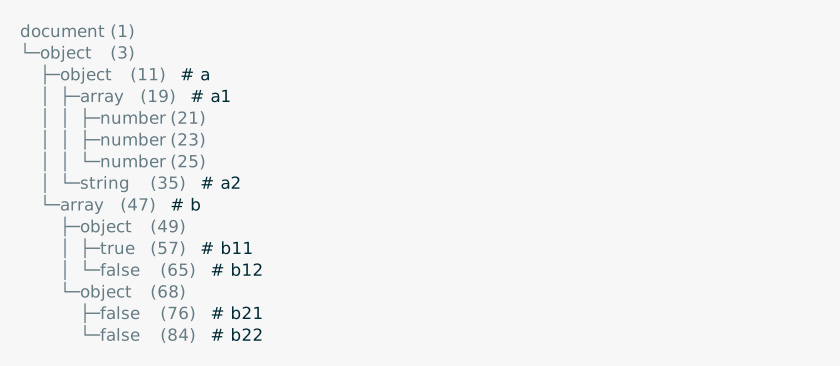
Print the document object model:
ts_tree_dom(json)
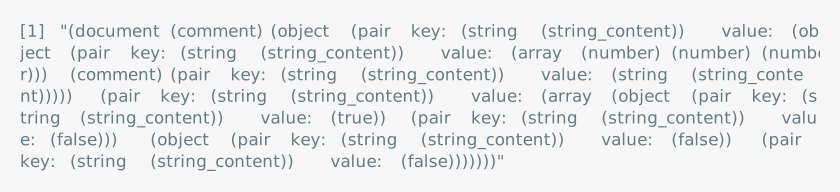
Print the structural summary of a tree:
ts_tree_sexpr(json)
License
MIT © Posit Software, PBC.